
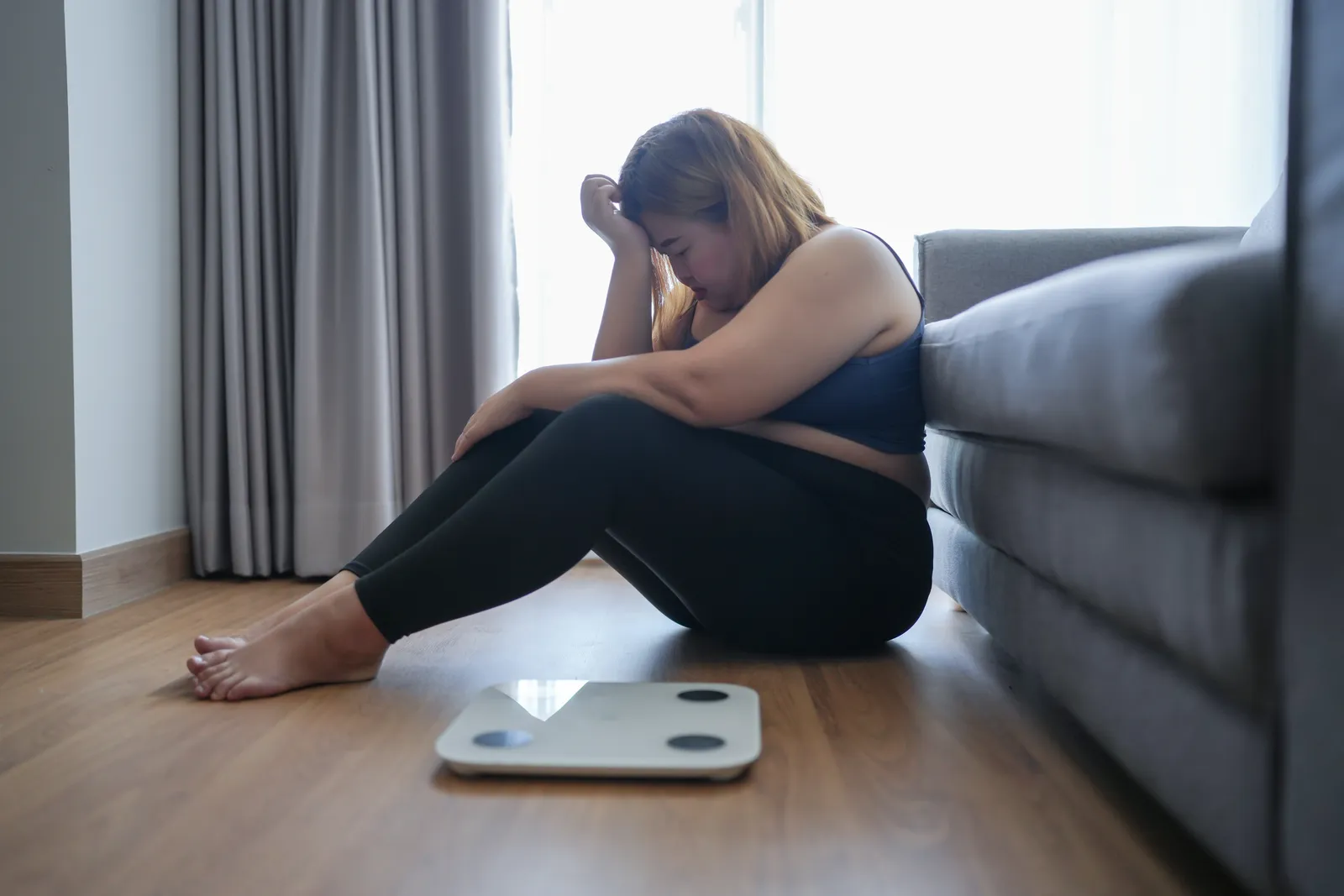
Starting a GLP-1 medication and not seeing the results that were hoped for is one of the more frustrating experiences a patient can have, particularly when the cultural conversation around these medications makes significant weight loss sound almost inevitable. The before and after stories are everywhere. The clinical trial numbers are impressive. And yet the scale refuses to move in the way that was expected.
Before drawing any conclusions about whether the medication is working, whether something is wrong, or whether a different approach is needed, it is worth understanding that suboptimal response to GLP-1 therapy is more common than most people realize, and that it almost always has identifiable reasons behind it. Some of those reasons are biological. Some are behavioral. Some are logistical. And some point toward the need for a different or additional treatment approach entirely.
This article walks through the most common reasons why weight loss stalls or underperforms on GLP-1 medications and what can be done about each one.
Reason One: The Dose Is Still Too Low
This is the most frequently overlooked explanation for early disappointment with GLP-1 medications, and it deserves to be addressed first because it is also the most straightforward to resolve.
GLP-1 medications are started at a low dose and increased gradually over a period of months to allow the body to adjust and minimize side effects. The starting doses of semaglutide and tirzepatide are not therapeutic doses in the sense that they are not the doses shown in clinical trials to produce significant weight loss. They are introductory doses designed to begin the process of physiological adaptation.
Many patients who feel disappointed by early results are still in the dose titration phase and have not yet reached a dose level where the medication's full appetite-suppressing and metabolic effects are operational. The clinical trials that produced the headline weight loss numbers studied patients over twelve to eighteen months, with dose increases happening incrementally across that entire period. Expecting significant results in the first two to three months at a starting dose is simply not aligned with how these medications work.
Patience during the titration phase is not passive waiting. It is an active clinical strategy, and patients who understand this are far less likely to discontinue prematurely before the medication has had a genuine opportunity to demonstrate its potential.
Reason Two: Dietary Habits Have Not Changed Enough
GLP-1 medications reduce appetite and quiet food noise, but they do not eliminate the impact of dietary choices on weight loss outcomes. This is one of the most important and sometimes difficult truths for patients to sit with.
The reduction in appetite that these medications produce creates an opportunity to eat less and make better nutritional choices. But if the foods being eaten in smaller portions are still predominantly high in calories, refined carbohydrates, added sugars, and processed ingredients, the caloric deficit needed to drive weight loss may not materialize even with reduced overall intake.
Several specific dietary patterns commonly undermine weight loss on GLP-1 medications:
Liquid calories are one of the most significant culprits. Sweetened beverages, juice, alcohol, specialty coffee drinks, and protein shakes with high sugar content can contribute hundreds of calories per day without triggering the satiety response that solid food does. GLP-1 medications slow gastric emptying, which enhances fullness from solid food, but liquids bypass this mechanism and deliver calories without the same satiety benefit.
Grazing, meaning eating small amounts of food continuously throughout the day rather than distinct meals, can also undermine weight loss even when individual amounts seem modest. The appetite suppression GLP-1 provides works most effectively when meals are structured and deliberate. Continuous low-level eating can deliver significant calories over the course of a day without any single eating episode feeling excessive.
Highly palatable processed foods that are engineered to be easy to eat in large quantities despite reduced appetite are another challenge. Foods that are soft, high in fat and sugar, and low in protein and fiber can be consumed in meaningful quantities even when appetite is suppressed, because they require minimal gastric volume and are rapidly processed.
A detailed dietary review with a registered dietitian is one of the most productive steps a patient experiencing a weight loss plateau can take, because patterns that seem innocuous are often the primary obstacle.
Reason Three: Protein Intake Is Insufficient
Inadequate protein is one of the most common and most consequential nutritional mistakes made by patients on GLP-1 medications, and its effects on weight loss outcomes are significant.
Protein is the most metabolically active macronutrient. It requires more energy to digest than carbohydrates or fat, produces stronger and more sustained satiety, and is critical for preserving lean muscle mass during weight loss. When protein intake is inadequate, the body loses muscle alongside fat during weight loss, which reduces metabolic rate and makes ongoing weight loss progressively harder.
GLP-1 medications reduce overall appetite, and patients who are eating less may not realize that the reduction in their food intake is falling disproportionately on protein-containing foods. Reaching a consistent daily protein target, typically a minimum of 60 to 100 grams depending on body size and activity level, is one of the most important nutritional priorities for patients on these medications and one that deserves conscious attention rather than assumption.
Reason Four: Physical Activity Is Absent or Insufficient
GLP-1 medications are approved and prescribed for use alongside increased physical activity for a clinically meaningful reason. Exercise is not simply an optional add-on to medical weight loss treatment. It is a meaningful contributor to the caloric deficit that drives weight loss, and more importantly it is essential for preserving the lean muscle mass that determines metabolic rate.
When weight is lost without adequate physical activity, a significant portion of that weight loss comes from muscle rather than fat. Lost muscle means a lower metabolic rate, which means the body burns fewer calories at rest and progressively less weight is lost for the same caloric intake. This is one of the primary mechanisms behind weight loss plateaus.
Patients who are largely sedentary and using GLP-1 medications without incorporating physical activity are limiting their results in a way that is addressable. The goal does not need to be an intensive exercise program, particularly in the early stages of treatment when the body is adjusting to significant change. Consistent, sustainable movement including regular walking, resistance training to preserve muscle mass, and gradual progression over time supports weight loss in ways that medication alone cannot fully replicate.
Resistance training deserves particular emphasis because it is the most effective intervention for maintaining and building lean muscle mass. Even modest resistance exercise performed two to three times per week has a meaningful impact on body composition and metabolic rate during weight loss.
Reason Five: Sleep Is Disrupted or Insufficient
The relationship between sleep and weight loss is direct, well-established, and consistently underestimated by patients and sometimes by clinicians. Inadequate or disrupted sleep drives hormonal changes that directly undermine GLP-1 therapy outcomes.
Poor sleep elevates ghrelin levels, the hunger-stimulating hormone, and reduces leptin levels, the satiety hormone. It increases cortisol, which promotes fat storage particularly in the abdominal region and drives cravings for calorie-dense foods. It worsens insulin sensitivity, undermining the metabolic improvements that GLP-1 therapy is designed to produce. And it reduces the energy available for physical activity, creating a secondary effect on caloric expenditure.
Patients who are sleeping fewer than seven hours per night or whose sleep is significantly disrupted by conditions like obstructive sleep apnea are fighting against a hormonal environment that partially counteracts what their medication is working to achieve. Addressing sleep quality and duration is not a peripheral lifestyle recommendation. It is a clinical priority that directly affects weight loss outcomes.
Obstructive sleep apnea in particular warrants specific attention. It is highly prevalent in patients with obesity, significantly disrupts sleep quality, and its treatment with CPAP therapy or other interventions can meaningfully improve the hormonal environment and support better weight loss outcomes.
Reason Six: Stress Is Chronically Elevated
Chronic psychological stress drives cortisol elevation, which as discussed in the article on hormones and weight promotes fat storage, increases appetite for calorie-dense foods, disrupts sleep, and worsens insulin resistance. A patient managing significant ongoing stress, whether from work, relationships, finances, health concerns, or other sources, is operating in a hormonal environment that partially counteracts the benefits of GLP-1 therapy.
Stress management is not simply a wellness platitude in this context. It is a clinical factor with measurable effects on weight loss outcomes. Patients who identify chronic stress as a significant feature of their daily life benefit from addressing it directly, whether through psychological support, mindfulness practices, social connection, or changes to stressors that are within their control.
Reason Seven: An Underlying Medical Condition Is Present
When weight loss is genuinely resistant despite appropriate dosing, good dietary habits, adequate protein, regular physical activity, and reasonable sleep and stress management, it is worth investigating whether an underlying medical condition is contributing to the difficulty.
Conditions that can independently impair weight loss and undermine GLP-1 therapy outcomes include:
Hypothyroidism, an underactive thyroid gland, slows metabolic rate and can significantly impair weight loss even when all other factors are well managed. It is more common than many patients realize and is identified through a simple blood test.
Polycystic ovary syndrome, commonly known as PCOS, involves significant hormonal dysregulation including insulin resistance, elevated androgens, and disrupted hormonal cycling that makes weight loss substantially more challenging for affected women.
Cushing's syndrome involves chronically elevated cortisol from either a tumor or exogenous steroid use and produces a distinct pattern of weight gain and metabolic disruption that is unlikely to respond adequately to GLP-1 therapy alone.
Certain medications including some antidepressants, antipsychotics, mood stabilizers, corticosteroids, and beta blockers are associated with weight gain or weight loss resistance and may be counteracting the effects of GLP-1 therapy in patients who take them.
A comprehensive metabolic evaluation is the appropriate clinical response when weight loss resistance is genuine, consistent, and unexplained by behavioral factors.
Reason Eight: Biological Variability in Medication Response
Not every patient responds to GLP-1 medications with the same degree of appetite suppression, metabolic change, or weight loss. This is a biological reality rather than a failure of effort or adherence. Genetic factors, gut hormone profiles, microbiome composition, baseline metabolic rate, and numerous other individual variables influence how strongly and consistently a patient responds to these medications.
Some patients are robust responders who experience significant appetite reduction, strong satiety, and meaningful weight loss from relatively early in their treatment course. Others are more modest responders who experience measurable but less dramatic effects. A small proportion of patients finds that GLP-1 medications do not produce adequate appetite or weight loss response regardless of dose.
For patients who are true non-responders or inadequate responders to GLP-1 therapy despite appropriate dosing, duration, and behavioral optimization, the honest clinical conversation is about whether a different or additional approach is needed. Bariatric surgery produces hormonal and anatomical changes that are independent of GLP-1 receptor sensitivity and may achieve the results that medication alone has been unable to deliver.
Reason Nine: The Weight Loss Goal Exceeds What Medication Can Achieve
GLP-1 medications are genuinely powerful tools, but they have clinical limitations that are worth understanding clearly. The average weight loss achievable with semaglutide is approximately ten to fifteen percent of total body weight. With tirzepatide it is approximately fifteen to twenty-two percent, with some patients achieving more. These are meaningful results for many patients, but for others they are simply not sufficient to reach the degree of weight loss their health requires.
A patient who needs to lose one hundred pounds to meaningfully transform their metabolic health, resolve their obesity-related conditions, and achieve a sustainable healthy weight is unlikely to reach that goal through medication alone, even with perfect adherence and optimal response. For these patients, the question is not why is the medication not working but whether the right tool for the job has been identified.
Bariatric surgery consistently produces greater, more durable, and more comprehensive metabolic improvement than any currently available medication for patients with significant obesity. Recognizing when medication is not the right primary tool and having an honest conversation about surgical options is not a failure of the medical management approach. It is good medicine.
What to Do When GLP-1 Is Not Delivering Results
The first step for any patient experiencing disappointment with GLP-1 therapy is a thorough and honest review of the factors described in this article with a knowledgeable physician. Many of the reasons weight loss underperforms on these medications are addressable with clinical guidance and support.
The second step, if behavioral and medical optimization does not produce adequate results, is an open conversation about whether a different or additional treatment approach is warranted. That conversation should be free of judgment, grounded in evidence, and centered entirely on what gives the patient the best possible chance at the health outcomes they are working toward.
The third step is accepting that needing more than medication offers is not a personal failure. It is a clinical finding, and it points toward a solution rather than a dead end.