
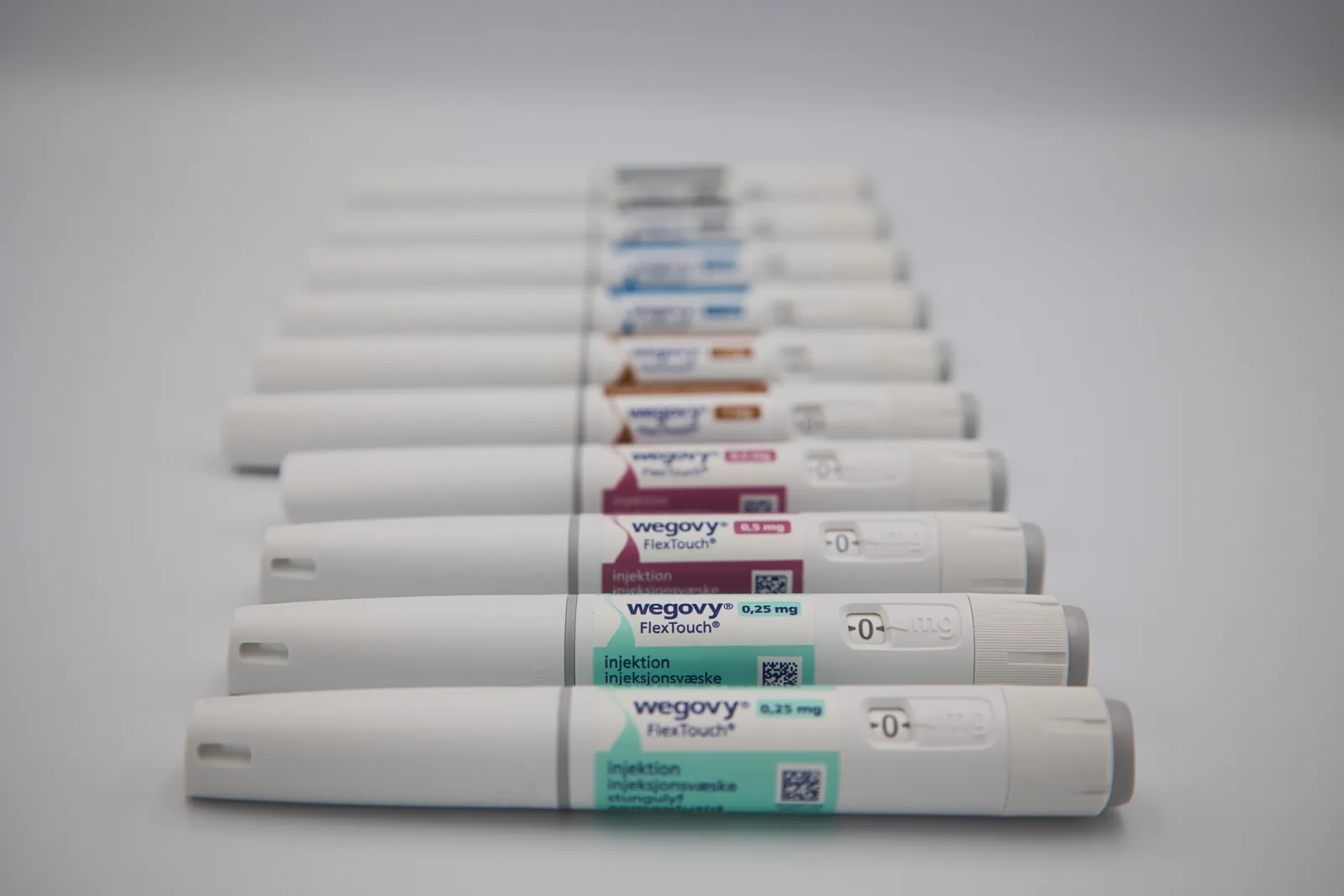
If you've been paying attention to the news lately, you've probably heard a lot about medications like Ozempic, Wegovy, or Mounjaro. These drugs have taken the weight loss world by storm, and for good reason. But behind all the headlines is a fascinating piece of biology that makes these medications work: a hormone called GLP-1.
Understanding GLP-1 can help anyone make a more informed decision about their weight loss options, whether they're considering medication, surgery, or a combination of both.
What Exactly Is GLP-1?
GLP-1 stands for glucagon-like peptide-1. It's a hormone that the body produces naturally in the small intestine after eating a meal. While the name sounds complicated, its job in the body is actually quite straightforward.
When food is consumed, the gut releases GLP-1 into the bloodstream. This hormone then travels to several key areas of the body and sends important signals, including:
- To the pancreas: GLP-1 tells the pancreas to release insulin, which helps lower blood sugar after a meal.
- To the brain: It signals the hunger and satiety centers to communicate that the body is full and satisfied.
- To the stomach: It slows down how quickly food leaves the stomach, which helps a person feel fuller for longer.
- To the liver: It reduces the release of glucagon, a hormone that raises blood sugar levels.
In people with obesity or type 2 diabetes, GLP-1 activity is often lower than it should be. This means the body misses out on these important fullness and blood sugar signals, making it harder to feel satisfied after eating and harder to maintain a healthy weight.
Why GLP-1 Matters for Weight Loss
Obesity is not a willpower problem. It's a complex medical condition influenced by genetics, hormones, metabolism, environment, and many other factors. For decades, people struggling with their weight were told to simply "eat less and move more," as if the issue were purely behavioral. Science has since proven that this approach misunderstands the biology of obesity entirely.
GLP-1 is one of the reasons why losing weight and keeping it off is so physiologically difficult for many people. When the body isn't producing or responding to GLP-1 properly, hunger signals stay elevated, fullness signals stay suppressed, and blood sugar fluctuations can drive cravings and overeating.
This is why GLP-1 became such an exciting target for medical researchers. If a medication could mimic or enhance this hormone's activity, it could address one of the root biological causes of obesity rather than just managing its symptoms.
How GLP-1 Medications Work
GLP-1 receptor agonists are a class of medications designed to replicate the effects of the body's natural GLP-1 hormone. They bind to the same receptors in the brain, pancreas, stomach, and liver, and they activate all the same helpful responses.
Some of the most well-known GLP-1 medications include:
- Semaglutide (brand names Ozempic and Wegovy)
- Liraglutide (brand name Saxenda)
- Tirzepatide (brand name Mounjaro and Zepbound), which targets both GLP-1 and another hormone called GIP
These medications are typically administered as weekly or daily injections and are used in combination with lifestyle changes such as improved nutrition and regular physical activity.
What Results Can People Expect?
Clinical trials have shown impressive results with GLP-1 medications. Studies on semaglutide, for example, have demonstrated average weight loss of 15% to 20% of total body weight over the course of about a year. For someone who weighs 250 pounds, that could represent a loss of 37 to 50 pounds.
Beyond weight loss, GLP-1 medications have been shown to:
- Improve blood sugar control in people with type 2 diabetes
- Reduce cardiovascular risk factors such as blood pressure and cholesterol
- Decrease inflammation throughout the body
- Improve markers of fatty liver disease
These benefits make GLP-1 medications a genuinely exciting tool in the treatment of obesity and its related health conditions.
GLP-1 Medications vs. Bariatric Surgery
A question that comes up frequently is how GLP-1 medications compare to bariatric surgery. It's a fair question, and the answer depends on many individual factors including the degree of obesity, related health conditions, personal preferences, and long-term goals.
How Bariatric Surgery Also Affects GLP-1
One of the more fascinating discoveries in bariatric medicine is that weight loss surgery itself dramatically increases the body's natural production of GLP-1. Procedures like the sleeve gastrectomy and gastric bypass cause the gut to release much higher levels of GLP-1 after meals, which is one of the reasons these surgeries are so effective not just for weight loss but also for resolving type 2 diabetes.
In fact, bariatric surgery often resolves diabetes before significant weight loss has even occurred, and the GLP-1 surge that follows surgery is believed to play a major role in that outcome.
Comparing Outcomes
Both GLP-1 medications and bariatric surgery can lead to meaningful, life-changing results. Here's a general comparison:
GLP-1 Medications:
- Non-surgical option
- Average weight loss of 15 to 20 percent of body weight
- Requires ongoing use to maintain results
- May be ideal for patients with moderate obesity or those not ready for surgery
Bariatric Surgery:
- Produces the highest and most durable long-term weight loss
- Average loss of 25 to 35 percent or more of total body weight depending on the procedure
- Naturally boosts GLP-1 levels as part of the mechanism of action
- May resolve obesity-related conditions like diabetes, sleep apnea, and hypertension
- One-time procedure rather than ongoing medication
The right choice is never one-size-fits-all. Some patients do beautifully on GLP-1 medications alone. Others find that surgery offers the more lasting transformation they've been looking for. Some may benefit from a combination of both approaches over time.
Who Is a Candidate for GLP-1 Therapy?
GLP-1 medications are FDA-approved for adults with a body mass index of 30 or higher, or a BMI of 27 or higher in people who have at least one weight-related health condition such as type 2 diabetes, high blood pressure, or high cholesterol.
However, these medications are not appropriate for everyone. They are generally not recommended for people with a personal or family history of certain thyroid cancers, pancreatitis, or specific gastrointestinal conditions. A thorough medical evaluation is essential before starting any GLP-1 therapy.
Common side effects include nausea, vomiting, and digestive discomfort, particularly in the early weeks of treatment. These side effects often improve over time as the body adjusts to the medication.
The Bigger Picture: Treating Obesity as a Disease
Whether a patient is exploring GLP-1 medications, bariatric surgery, or other interventions, the most important thing to understand is that obesity is a medical condition that deserves real medical treatment. No one chooses to struggle with their weight, and no one should be made to feel ashamed for needing help.
Modern medicine now has powerful tools to address the biological drivers of obesity, and GLP-1 is at the center of much of that progress. From medications that mimic this hormone to surgical procedures that amplify it naturally, patients today have more options than ever before.
Every person deserves a treatment plan built around their unique body, health history, and goals. That kind of personalized, compassionate care is what makes the difference between a short-term result and a lasting transformation.
Take the First Step Toward a Healthier Life
If you've been curious about GLP-1 medications, bariatric surgery, or simply want to understand your options better, a consultation is the best place to start. There's no commitment, no pressure, and no judgment. Just an honest conversation about where you are, where you want to be, and what path makes the most sense for you.