
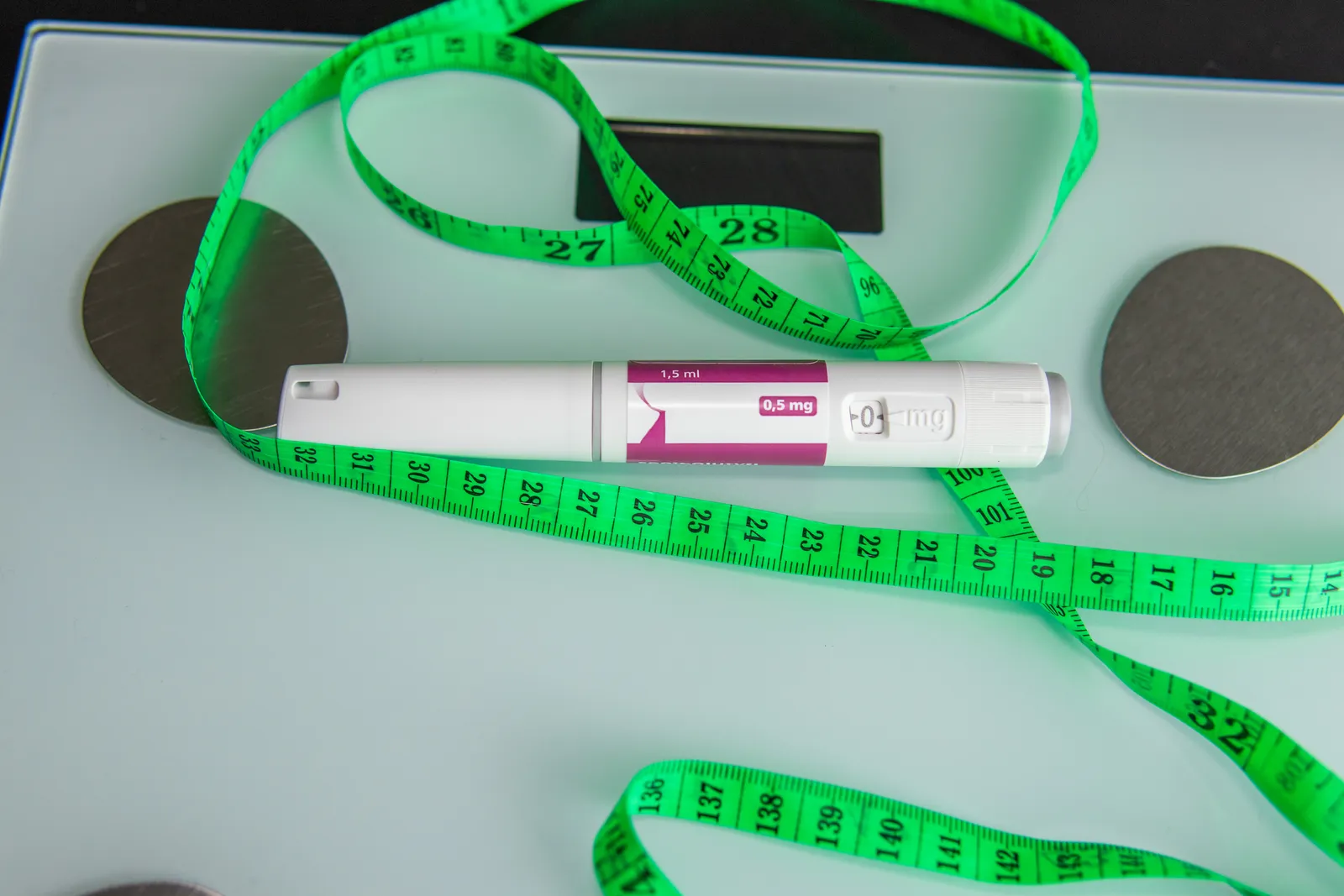
Few questions in obesity medicine are more personal than this one. GLP-1 medications have generated enormous excitement over the past several years, and for good reason. The clinical results in the right patients are meaningful, the science behind them is sound, and they represent a genuine advancement in how obesity is understood and treated as a medical disease. But the cultural enthusiasm around these medications has also created a landscape where many people are starting them without a clear understanding of whether they are truly the right fit, without adequate medical supervision, and without realistic expectations about what these medications can and cannot do.
This article is for anyone who has been wondering whether GLP-1 therapy belongs in their weight loss journey. The answer, as with most meaningful medical questions, depends on a careful look at the full clinical picture.
What GLP-1 Medications Are Actually Designed to Treat
GLP-1 receptor agonists are prescription medications developed to treat specific medical conditions. They are not wellness supplements, lifestyle aids, or tools designed for people who want to lose a modest amount of weight for cosmetic purposes. Understanding their intended clinical role is the starting point for any honest conversation about whether they are appropriate for a given patient.
Currently approved GLP-1 medications for weight management include semaglutide under the brand name Wegovy and tirzepatide under the brand name Zepbound. Both carry specific FDA-approved indications that define who these medications are designed for.
Wegovy is approved for adults with a BMI of 30 or higher, or a BMI of 27 or higher in patients who have at least one weight-related health condition such as type 2 diabetes, high blood pressure, high cholesterol, or obstructive sleep apnea. Zepbound carries similar indications. These thresholds exist because the clinical trials that established the safety and efficacy of these medications studied patients who met these criteria. Using them outside of these parameters moves into territory where the benefit and risk profile is less clearly established.
Signs That GLP-1 Therapy May Be Right for You
Meeting the basic BMI criteria is a starting point, not a complete picture. Several clinical and personal factors suggest that GLP-1 therapy may be a particularly well-suited option for a given patient.
Obesity With Related Health Conditions
Patients who carry excess weight alongside conditions like type 2 diabetes, prediabetes, high blood pressure, elevated cholesterol, or obstructive sleep apnea stand to benefit from GLP-1 therapy in ways that go beyond weight loss alone. These medications improve blood sugar control, reduce cardiovascular risk, lower blood pressure, and address metabolic dysfunction directly. For these patients, GLP-1 therapy offers a treatment that addresses both the disease of obesity and its downstream health consequences simultaneously.
Preference for a Non-Surgical Approach
Some patients are not ready for surgery, either emotionally, logistically, or medically. Others have carefully considered surgical options and determined that a non-surgical path is more aligned with their preferences and circumstances. GLP-1 therapy provides a meaningful medical intervention for patients in either situation, allowing them to pursue significant, health-improving weight loss without an operative procedure.
This is a legitimate and respected choice, and the right physician will support it without judgment or pressure in either direction.
Moderate Obesity With Realistic Expectations
Patients whose BMI falls in a range where the expected weight loss from GLP-1 therapy, typically fifteen to twenty-two percent of total body weight depending on the medication, is sufficient to meaningfully improve their health and quality of life are strong candidates for this approach. For someone whose primary health goals can be achieved with that degree of weight loss, medication may be entirely sufficient without requiring surgery.
Need for a Bridge Before Surgery
Some patients are candidates for bariatric surgery but need to lose weight before the procedure to reduce operative risk. GLP-1 medications can serve an important role as a bridge in these situations, helping patients achieve the pre-operative weight loss that makes surgery safer and more effective. This is a collaborative use of both tools rather than a choice between them.
History of Weight Recurrence After Bariatric Surgery
Patients who have had bariatric surgery in the past and have experienced significant weight recurrence may find that GLP-1 therapy provides additional metabolic support to help them return toward their surgical weight loss goals. This is an increasingly recognized and clinically appropriate use of these medications in the post-surgical population.
Signs That GLP-1 Therapy May Not Be the Right Fit
Equally important as understanding who benefits from GLP-1 medications is understanding for whom they are less appropriate or where a different approach would likely serve better.
Severe Obesity Requiring More Significant Weight Loss
For patients with a BMI significantly above 40, or those with a BMI above 35 accompanied by serious obesity-related conditions, the weight loss achievable with GLP-1 medications may not be sufficient to reach the health improvements they need. A patient who needs to lose 100 pounds to meaningfully transform their metabolic health is unlikely to achieve that outcome through medication alone, even with the most effective current options.
Bariatric surgery consistently produces greater and more durable weight loss than any currently available medication, and for patients with significant obesity and serious comorbidities, that difference in outcome is clinically meaningful in ways that directly affect health and longevity.
Inability to Afford Ongoing Medication Costs
GLP-1 medications are expensive. Without insurance coverage, the monthly cost of Wegovy or Zepbound can exceed one thousand dollars. While coverage has improved and patient assistance programs exist, cost remains a real barrier for many patients. Because these medications must be taken continuously to maintain their effects, the financial commitment is ongoing rather than one-time.
Patients for whom this cost is not sustainably manageable face a real risk of discontinuation and subsequent weight recurrence. For these patients, bariatric surgery, which is covered by many insurance plans when clinical criteria are met, may represent a more financially sustainable path to lasting results.
Contraindications to GLP-1 Therapy
Certain medical conditions make GLP-1 medications inappropriate regardless of how otherwise suitable a patient might seem. Absolute contraindications include a personal or family history of medullary thyroid carcinoma and a history of multiple endocrine neoplasia syndrome type 2. Patients with a history of pancreatitis require careful evaluation before starting GLP-1 therapy, as these medications may increase pancreatitis risk. Patients with severe gastroparesis should generally avoid GLP-1 medications because further slowing of gastric emptying can worsen their condition significantly.
A thorough medical history and clinical evaluation will identify these contraindications before treatment begins, which is one of the many reasons why proper medical supervision is essential.
Pregnancy or Plans to Become Pregnant
GLP-1 medications are not approved for use during pregnancy and should be discontinued prior to conception. Women who are pregnant, breastfeeding, or planning to become pregnant in the near term should discuss alternative approaches with their physician. Because significant weight loss itself carries some reproductive implications, this conversation is best had early and with full transparency about family planning goals.
Intolerable Side Effects Despite Appropriate Management
Most GLP-1 side effects are manageable with the strategies outlined in previous articles in this series. But a subset of patients experiences gastrointestinal side effects, particularly nausea and vomiting, that do not adequately improve even with careful dietary management and slower dose titration. For these patients, the medication may simply not be well tolerated regardless of how appropriately it is prescribed and managed.
Intolerance is not a personal failure. It is a biological reality that varies from person to person, and it is a legitimate clinical reason to explore alternative approaches including surgical options.
The Questions Worth Asking Before Starting
Anyone seriously considering GLP-1 therapy deserves the space to ask thoughtful questions before beginning treatment. These are not questions with universally right or wrong answers, but they are questions that help clarify whether this path makes sense for a particular person at a particular point in their journey.
These questions include:
- What are my specific health goals, and is the expected degree of weight loss from GLP-1 medication likely to achieve them?
- Do I have any medical conditions or history that would make GLP-1 therapy less safe or less effective for me?
- Am I prepared for the commitment of ongoing medication, including the possibility that results will diminish if the medication is discontinued?
- Is this medication financially sustainable for me over the long term, and what is my plan if coverage changes or costs increase?
- Have I considered how GLP-1 therapy fits into my broader treatment picture, including whether surgery might ultimately serve my health goals better?
- Am I working with a physician who will monitor my response, adjust my treatment as needed, and support me through the adjustment period?
These are not questions designed to discourage anyone from pursuing GLP-1 therapy. They are questions that help ensure the decision is made with full information and genuine clinical support rather than enthusiasm alone.
The Problem With Obtaining GLP-1 Medications Without Medical Supervision
The popularity of GLP-1 medications has created a market for obtaining them outside of traditional medical relationships, through online platforms with minimal evaluation, compounding pharmacies offering cheaper versions, and in some cases without a legitimate prescription at all. This is a trend worth addressing directly and honestly.
GLP-1 medications obtained without proper medical evaluation and ongoing supervision carry real risks. Dosing errors are more common without clinical oversight. Side effects go unmonitored and unmanaged. Contraindications may not be identified before treatment begins. The quality and concentration of compounded versions is variable and not subject to the same regulatory standards as FDA-approved medications. And when something goes wrong, there is no established clinical relationship to turn to for help.
Beyond safety, patients who pursue these medications without medical supervision miss the broader clinical picture that makes GLP-1 therapy most effective. Nutritional guidance, lifestyle support, regular lab monitoring, and the kind of individualized dose management that comes from a physician who knows the patient make a measurable difference in outcomes. The medication is a tool, and like any tool, it works best in skilled and informed hands.
GLP-1 as Part of a Comprehensive Plan
Perhaps the most important framing for any conversation about GLP-1 therapy is this: these medications are not a standalone solution. They are one component of a comprehensive approach to treating obesity that includes nutritional guidance, physical activity, behavioral support, medical monitoring, and in some cases surgical intervention.
Patients who achieve the best outcomes on GLP-1 medications are those who use the appetite and metabolic changes the medication produces as an opportunity to build genuinely healthier habits, not those who rely on the medication alone while leaving other aspects of their health unaddressed. The medication quiets the biological noise that was making healthy choices harder. What the patient does with that quieter space matters enormously.
This is exactly why working with a physician who understands the full landscape of obesity treatment, including both medical and surgical options, is so valuable. The goal is never to find a reason to prescribe a particular treatment. The goal is to find the treatment or combination of treatments that gives each individual patient the best possible chance at lasting, meaningful health improvement.
Every Patient Deserves a Personalized Answer
The question of whether GLP-1 therapy is right for a particular person cannot be answered by an article, a social media post, or the experience of a friend or family member who has tried the medication. It can only be answered through a thorough, individualized clinical evaluation by a physician who takes the time to understand the full picture.
What this article can do is help anyone approaching that conversation feel more informed, more empowered, and better equipped to ask the right questions. Because the best medical decisions are always made when patients and physicians think through the options together with honesty, expertise, and a shared commitment to the patient's long-term well-being.